



Key takeaways
- Nuwara Eliya sits at 1,889 metres above sea level, giving it a cool climate and the colonial-era nickname 'Little England'.
- Horton Plains National Park is home to World's End, a sheer cliff with a drop of about 870 metres, best seen before mid-morning mist rolls in.
- The dry season from January to March and July to September offers the clearest skies for hill country views.
- Pack warm layers: temperatures in Nuwara Eliya can drop to single digits Celsius at night, unlike the tropical coast.
- A private driver handles the narrow, winding mountain roads so you can focus on the scenery and tea estate stops.
Sri Lanka's tea country centres on Nuwara Eliya, a cool highland town at 1,889 metres where rolling estates, misty peaks and a colonial past sit side by side. This Nuwara Eliya tea country guide walks you through the plantations worth visiting, the famous Horton Plains hike to World's End, when to go, what to pack and how to enjoy the scenic hill drives without wrestling the mountain roads yourself.
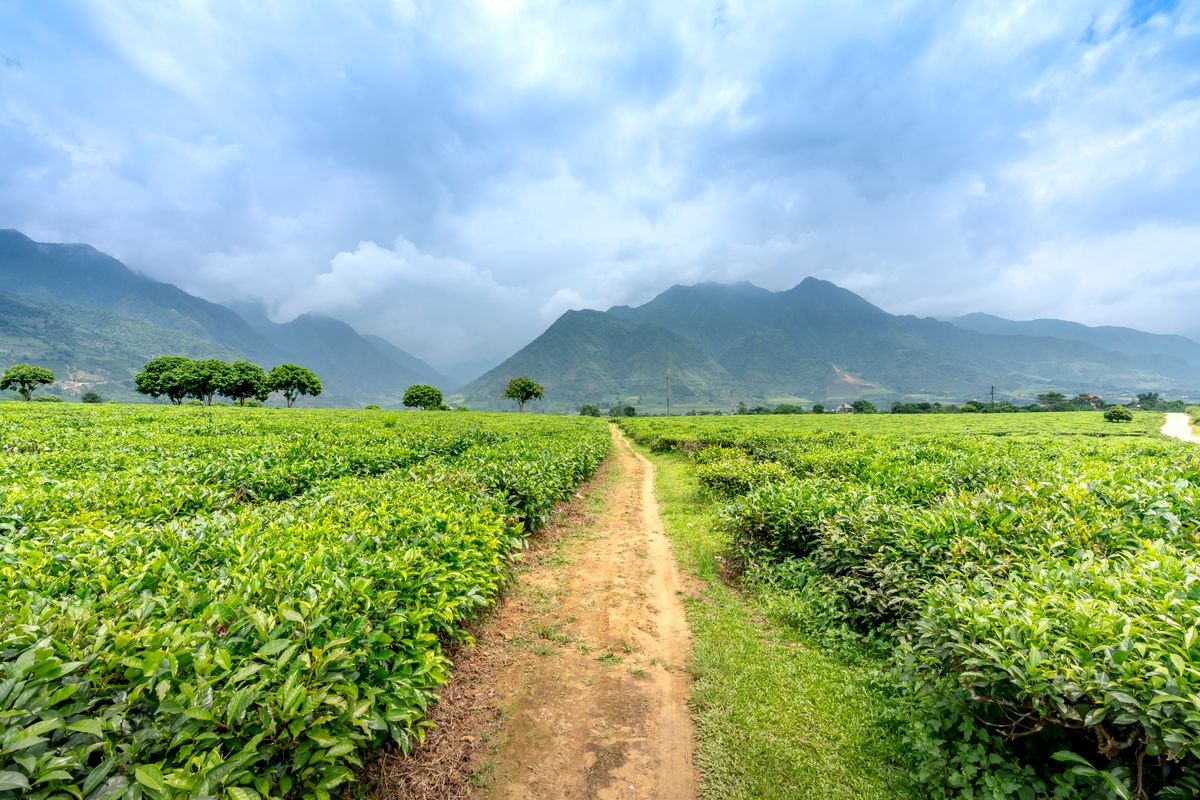
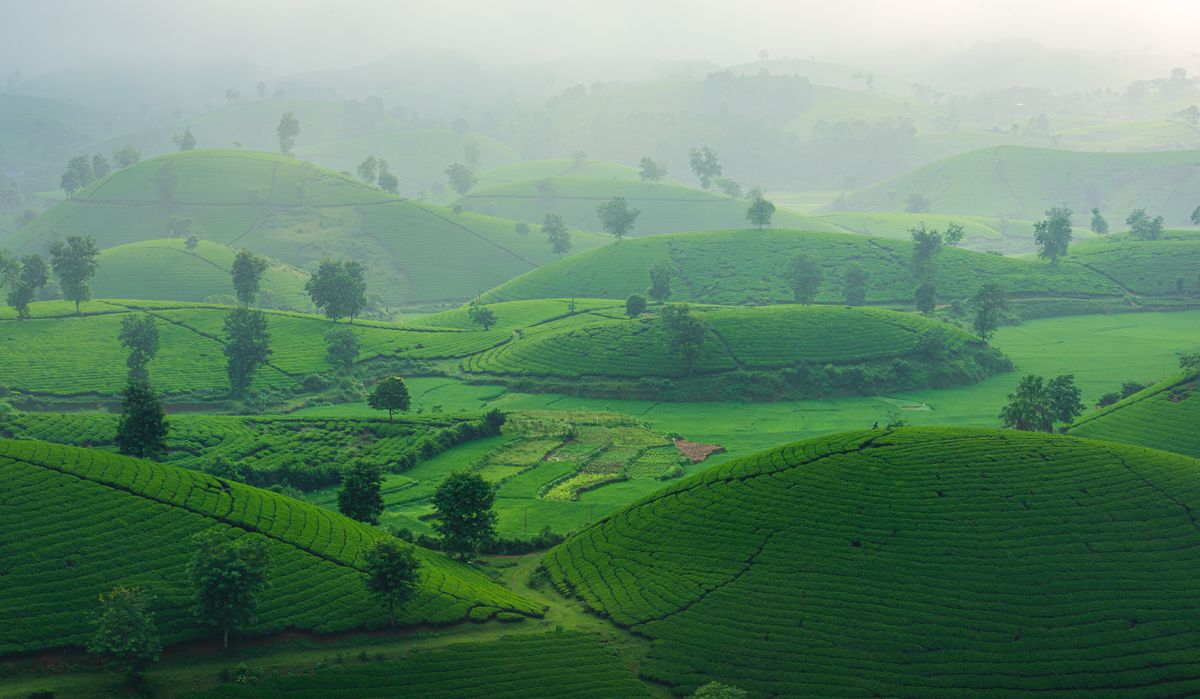
The region is a complete change from the beaches most visitors picture. Days are mild, mornings can be foggy, and the landscape is a patchwork of green tea terraces stitched across the slopes. It rewards travellers who slow down and give it a couple of nights.
Why Nuwara Eliya Is Called 'Little England'
British planters settled Nuwara Eliya in the 19th century and shaped it to feel like home. The town sits just south of Pidurutalagala, Sri Lanka's highest mountain, and its elevation of 1,889 metres gives it a temperate climate unusual for a tropical island.
That cool air let the settlers grow strawberries, roses and vegetables that would wilt on the coast. They also left behind the architecture that still defines the town: mock-Tudor cottages, a red-brick post office, a golf course, horse racing and the grand old hotels. Walk the main streets today and you will see hedgerows, wood-panelled tea rooms and gardens that genuinely echo an English country town.
The nickname stuck because the resemblance is more than skin deep. The climate, the pastimes and the layout all trace back to that colonial period, which is exactly why so many travellers make the trip up into the hills.
Visiting Tea Plantations and Factory Tours
Tea is the reason the hills look the way they do, and it remains central to the country's economy. Sri Lanka produced 264.12 million kilograms of tea in 2025 and exported 257.44 million kilograms, earning roughly USD 1.51 billion, according to figures compiled from Sri Lanka Tea Board data by the History of Ceylon Tea. Standing among the estates, you are looking at one of the island's most important industries.
Most estates near Nuwara Eliya run factory tours that follow the leaf from bush to cup. A typical visit includes:
- A short walk through the plantation, often with a guide explaining how pluckers pick only the top two leaves and a bud.
- The withering, rolling, oxidising and drying stages inside the factory.
- A tasting session where you can compare grades side by side.
- A shop selling estate tea to take home.
Popular estates in the area include Pedro (Labookellie), Bluefield and Damro Labookellie, all within an easy drive of the town. Tours are inexpensive and usually last under an hour, so you can fit two in a single afternoon.
A few practical tips: photography is often restricted inside the factory floor, so ask first. Buy your tea at the estate rather than the airport for better prices, and try the high-grown Ceylon teas that this region is known for.
If tea country is one stop on a longer loop, it pairs naturally with the wider hill country. Many visitors continue on to the nearby town of Ella, a short and scenic drive south, to plan the next leg of their trip.
Horton Plains and the World's End Hike
The single most rewarding walk in the tea country is the loop through Horton Plains National Park to World's End. According to Wikipedia's entry on Horton Plains National Park, World's End is a sheer escarpment with a drop of about 870 metres, while a second viewpoint called Mini World's End drops roughly 300 metres.
The circular trail is around nine kilometres and takes most people three to four hours at a relaxed pace. It also passes Baker's Falls, a wide waterfall roughly halfway round. The terrain is mostly gentle grassland with some rocky sections, so it suits reasonably fit walkers of all ages.
Timing matters more here than anywhere else in the region. Cloud and mist usually build by mid-morning and can hide the World's End view entirely, so aim to be at the cliff before about 9:30 am. That means an early start: many travellers leave their hotel around 5:30 or 6:00 am. The park sits at high altitude, so mornings are genuinely cold before the sun climbs.
A few rules to know before you go:
- Single-use plastics are banned inside the park, so decant water into a reusable bottle.
- Stay on the marked paths to protect the fragile cloud-forest ecosystem.
- Bring cash for the entrance fee, as card facilities can be unreliable.
Best Time to Visit and What to Pack for Cool Weather
The clearest skies over the tea country fall in two dry windows: January to March and July to September. These months give you the best odds of an unobstructed World's End view and dry trails. April is the town's social "season", when Sri Lankans arrive for horse racing, flower shows and holidays, so book accommodation early if you travel then.
Whatever the month, come prepared for cold that surprises most first-time visitors to a tropical country. Nights in Nuwara Eliya regularly fall into single digits Celsius, and the pre-dawn start at Horton Plains is colder still. Layering is the key.
Pack the following for the hills:
- A warm fleece or light down jacket for evenings and the early hike.
- A waterproof shell, since mist and drizzle are common even in dry months.
- Long trousers, a hat and gloves for the cold mornings.
- Sturdy walking shoes with grip for the Horton Plains trail.
- Sunscreen and sunglasses, because the high-altitude sun is strong once the mist clears.
Scenic Nuwara Eliya Tea Country Drives With a Private Driver
Getting to and around the tea country is half the experience, and half the challenge. The mountain roads are narrow, steep and full of hairpin bends, with buses, trucks and tuk-tuks sharing the same tight lanes. Fog can cut visibility in minutes. These are not roads most visitors enjoy driving themselves on their first trip to Sri Lanka.
A private chauffeur changes the day entirely. You watch the terraces and waterfalls scroll past while someone who knows the roads handles the driving. You can stop for photos at a viewpoint, pause at a roadside tea stall, or add an unplanned estate visit without renegotiating a route. A local driver-guide also knows which tea factories are open, where the best lookouts are, and how to time the Horton Plains start.
This is exactly the kind of trip Srilankadriverhire is built for. An English-speaking driver-guide collects you, links Nuwara Eliya with Kandy, Ella and the coast on one itinerary, and adjusts the plan around the weather and your pace. If you want to understand how the service works before you book, our guide on how Sri Lanka tour driver hire works explains the practicalities.
The classic hill-country drive threads Kandy, Nuwara Eliya and Ella together, with tea estates, waterfalls and viewpoints between each. Adding Horton Plains as an early-morning detour turns a two-night tea country stop into one of the most memorable stretches of any Sri Lanka itinerary.
Set aside at least two nights in or near Nuwara Eliya, book a driver-guide who can time your Horton Plains start and connect the hill towns, and you will see the best of Sri Lanka's tea country without spending the trip gripping a steering wheel.
Frequently asked questions
How high is Nuwara Eliya?
Nuwara Eliya sits at about 1,889 metres (6,199 feet) above sea level, which keeps it cool year-round and earned it the nickname 'Little England'.
How far is the World's End drop at Horton Plains?
The main World's End viewpoint has a sheer cliff drop of roughly 870 metres. A nearby lookout called Mini World's End drops about 300 metres.
When is the best time to visit Nuwara Eliya?
The clearest weather falls in the dry months of January to March and July to September. Nuwara Eliya is also famous during its April 'season' when the town fills up for horse racing and flower shows.
Do I need warm clothes for the tea country?
Yes. Although Sri Lanka is tropical, Nuwara Eliya nights can fall to single digits Celsius, so pack a fleece, a light jacket and long trousers.
Can I visit Horton Plains and the tea estates in one trip?
Yes. Most travellers base themselves in or near Nuwara Eliya for two nights, doing an early Horton Plains hike one day and tea factory tours plus scenic drives on the other.