


Key takeaways
- Rice and curry, hoppers, and kottu roti are the three dishes every visitor should try first.
- Eat street food from busy stalls where the food is hot and the turnover is high.
- Sri Lankan cooking runs hot, so ask for less chili if you are not used to it.
- Vegetarians eat very well here thanks to a strong Buddhist meat-free tradition.
- A local driver knows which small roadside spots serve the best regional food.
Start with three dishes and you will understand Sri Lankan cooking fast: rice and curry, hoppers, and kottu roti. This Sri Lanka food guide walks you through what each one is, where to eat it safely, how the food changes from the north coast to the hill country, and how to handle the heat if you are not used to chili.
Sri Lankan food leans on coconut, roasted spice, and fresh chili. It is bold, layered, and often very hot. The good news for travelers is that it is also everywhere, cheap, and easy to order once you know a few names. And the island is seeing more visitors than ever. A record 2.36 million foreign tourists arrived in 2025, which means more demand for honest, local eating advice, not less. (Xinhua, citing the Sri Lanka Tourism Development Authority)
Three dishes to start your Sri Lanka food guide
If you only learn three plates, learn these.
Rice and curry
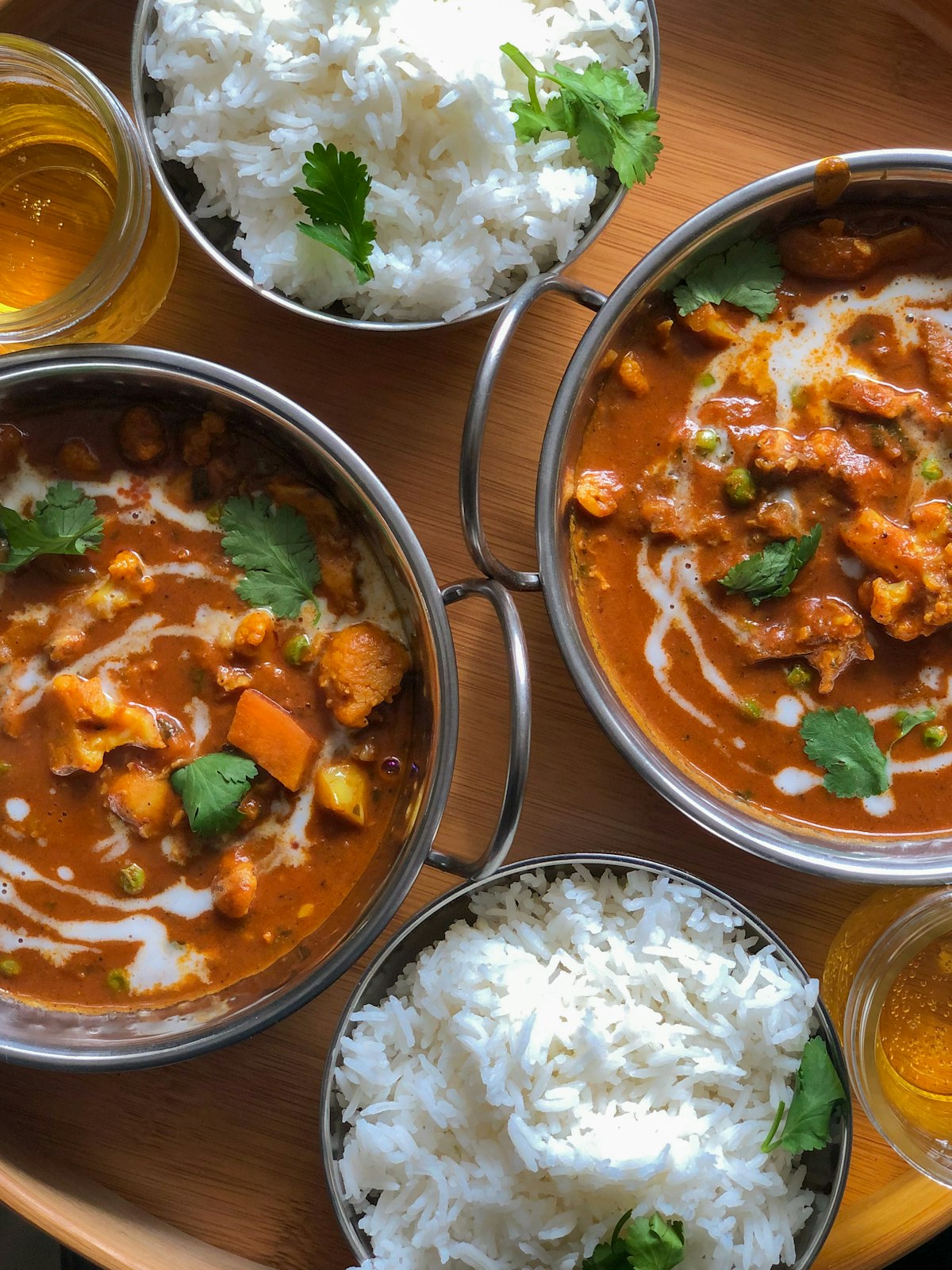
Rice and curry is the national meal, and it is nothing like a single bowl of curry. You get a mound of steamed rice surrounded by three to seven small dishes: a lentil curry (dhal), a couple of vegetable curries such as jackfruit, pumpkin, or beetroot, often a fish or meat curry, and a spicy coconut relish called pol sambol. Papadams and pickles round it out.
Sri Lankan curries differ from Indian ones in two ways. The spices are often dry-roasted first, which gives darker, deeper flavor, and coconut milk shows up constantly. Locals eat with their right hand, mixing small amounts of each curry into the rice as they go. A buffet-style rice and curry lunch is the single best-value meal on the island.
Hoppers
Hoppers, or appa, are bowl-shaped pancakes made from fermented rice flour and coconut milk, cooked in a small curved pan. Overnight fermentation gives them lacy, crisp edges and a soft, spongy center. The egg hopper is the one to seek out: a whole egg cracked into the middle and cooked until the white sets but the yolk stays runny. They are a breakfast food, served with lunu miris, a fiery onion and chili sambol.
Do not confuse these with string hoppers (idiyappam), which are steamed nests of rice noodles pressed through a mold. String hoppers are lighter, naturally gluten-free, and usually eaten with a mild coconut gravy called kiri hodi.
Kottu roti
Kottu is the sound of Sri Lankan nightlife. Cooks chop flatbread on a hot griddle with two metal blades, folding in vegetables, egg, and your choice of chicken, beef, or seafood. The rhythmic clang of the blades is how you find a good stall before you even see it. Order it at a street stall in the evening, with curry sauce on the side. Cheese kottu is a modern favorite that kids and first-timers tend to love.
Street food safety and where to eat
Street food is where Sri Lanka tastes best, and eating it safely is mostly common sense.
- Pick busy stalls. A line of locals means high turnover and fresh food.
- Eat it hot. Steaming food straight off the griddle is your safest bet; lukewarm food that has been sitting out is the thing to avoid.
- Skip the glass case. Pre-portioned items left at room temperature carry the most risk.
- Be careful with water and ice. Tap water is not safe to drink across the island, so stick to bottled or sealed drinks and avoid ice at informal roadside stalls.
- Peel your own fruit, and go easy on raw salads at very basic stalls.
Markets, bus-stand food rows, and evening kottu stalls are all great. If you have a sensitive stomach for the first few days, start with cooked, hot items and work up to the rest.
Regional specialties across the island
Sri Lanka is small, but its food changes noticeably as you travel.
- Jaffna and the north. Tamil cooking dominates here and runs hotter and more sour. Jaffna crab curry, built on mud crab, tamarind, and heavy chili, is the dish worth planning a meal around.
- The south and west coast. This is seafood country. Look for ambul thiyal, a tart fish curry preserved with goraka, plus prawn curries and crisp fish cutlets. These flavors pair naturally with a day on the south coast beaches.
- The hill country. Around Kandy and Nuwara Eliya the cooking is more elaborate, with wood apple, wild boar, and the British-era habit of "short eats" taken alongside Ceylon tea.
- The east coast. Tamil and Muslim influences meet here, so expect fragrant biryani and richer, meat-forward curries.
Spice is part of the story everywhere. Sri Lanka is the world's second-largest cinnamon exporter, holding about 27.5 percent of global cinnamon exports by value, so that warm note in your curry is a genuine local product. (World's Top Exports)
Vegetarian options and spice-level tips
Vegetarians eat extremely well in Sri Lanka. A strong Buddhist tradition means most rice and curry spreads already include several meat-free dishes: dhal, jackfruit, beetroot, green bean, and pumpkin curries are standard. Plain hoppers, string hoppers, and vegetable kottu are all naturally vegetarian, and many towns have dedicated Buddhist, meat-free kitchens.
On heat, be honest with yourself. Sri Lankan food is among the spiciest in Asia, so if you are not used to chili, ask for it mild when you order. Coconut-based dishes such as kiri hodi and coconut sambol cool the palate, and curd with treacle, a buffalo yogurt drizzled with palm syrup, is the classic way to end a fiery meal. Easing in over a few days beats trying to tough it out on day one.
Let your driver find the authentic spots
The best meals in Sri Lanka rarely have signs in English. They are roadside rice-and-curry shops that sell out by early afternoon, a particular kottu stall three towns over, or a family-run seafood place down a lane you would never turn into on your own.
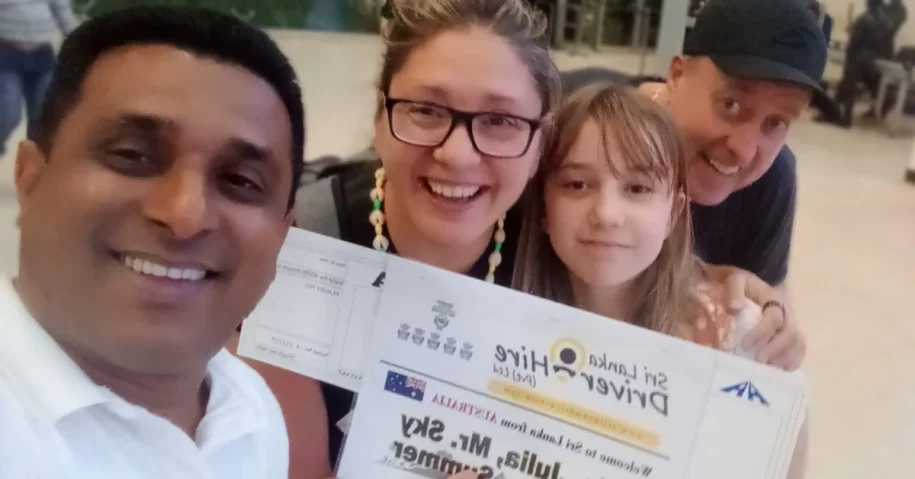
This is where traveling with a local chauffeur pays off. A Srilankadriverhire driver-guide knows which small spots serve the real thing, can explain unfamiliar dishes, translate your spice preference to the cook, and time your route so you reach the good lunch places before the food runs out. It turns eating from a guessing game into one of the highlights of the trip.
Pick two or three dishes from this guide, tell your driver you want to eat where locals eat, and let the island surprise you. Start with an egg hopper for breakfast tomorrow and build from there.
Frequently asked questions
What is the national dish of Sri Lanka?
Rice and curry is the staple meal. It pairs steamed rice with several small curries, a coconut relish called pol sambol, and papadams.
Is Sri Lankan street food safe for tourists?
Yes, if you choose busy stalls serving hot, freshly cooked food. Avoid lukewarm dishes left in glass cases and stick to bottled or sealed drinks.
How spicy is Sri Lankan food?
It is among the spiciest cuisines in Asia. You can ask for less chili, and coconut-based dishes like kiri hodi help cool the palate.
Can vegetarians eat well in Sri Lanka?
Very well. A typical rice and curry spread includes several vegetable curries, and string hoppers and plain hoppers are naturally meat-free.
What is kottu roti?
It is chopped flatbread stir-fried on a griddle with vegetables, egg, and often meat or seafood. The rhythmic sound of the blades is unmistakable at night stalls.