


Key takeaways
- Sri Lanka packs beaches, wildlife and easy cultural sights into short distances, so families can see a lot without long travel days.
- The south and west coasts, Udawalawe safaris and the hill-country train are the gentlest introductions for children.
- Road travel is slow in Sri Lanka, so plan short daily legs and build in stops rather than racing between regions.
- A private driver handles car seats, bathroom stops and route changes, which removes most of the logistical stress for parents.
- Pack for heat and mosquitoes, stick to bottled water and freshly cooked food, and ease kids into spice gradually.
Sri Lanka is one of the easiest tropical destinations to travel with children because beaches, elephants, trains and ancient cities all sit within a few hours of each other. A trip that would span several countries elsewhere fits into a single compact island, which keeps travel days short and keeps restless kids engaged. This guide to Sri Lanka with kids covers family travel from choosing destinations to managing long drives, picking the gentlest wildlife and cultural stops, and staying safe and well fed.
The country had a record year for tourism in 2025, with 2,362,521 international arrivals, a 15.1 percent rise on the year before, according to figures from the Sri Lanka Tourism Development Authority reported by Economic Times LK. Families form a growing share of that traffic, and the tourism infrastructure, from beach resorts to safari lodges, is well set up for them.
Family-Friendly Destinations and Activities
Sri Lanka with kids works best when you build the family travel route around a few anchor regions rather than trying to see everything. The south and west coasts give you calm swimming beaches and short transfers. The hill country around Kandy, Nuwara Eliya and Ella adds cooler air, tea estates and the famous train ride. The cultural triangle in the north-central plains holds the big ancient sites.
Good regions and why children enjoy them:
- South coast beaches such as Mirissa, Unawatuna and Tangalle, for shallow swimming, turtle hatcheries and relaxed resort days, with several coves that suit younger swimmers.
- Kandy, a walkable lake city with the Temple of the Sacred Tooth Relic and a botanical garden that doubles as a playground for energetic kids.
- Ella and the hill country, home to the short, scenic train leg children love and gentle walks like Little Adam's Peak.
- Udawalawe and Yala, for safaris with a high chance of spotting wild elephants.
Mixing two or three of these gives a varied trip without forcing young travelers through too many regions.
Managing Long Drives With Children
Road travel in Sri Lanka is slower than the map suggests. Narrow roads, frequent villages, tuk-tuks and the occasional elephant mean an average speed well below what families expect, so a 100-kilometer leg can easily take three to four hours. The single most useful planning habit is to keep daily drives short and to break longer ones into pieces.
Practical ways to keep drives calm:
- Schedule the longest transfers for early morning when children are fresh and roads are quieter.
- Plan a stop roughly every ninety minutes for bathrooms, snacks or a short leg-stretch at a viewpoint or temple.
- Pack a small bag of familiar snacks, water and a few quiet activities for each child.
- Keep one region per few days rather than hopping daily, which cuts total time in the car.
For the hill country, the train is a welcome break from the road. The leg between Kandy, Nanu Oya and Ella is one of the most scenic rail journeys in Asia, and a couple of hours on a train feels like an activity rather than a transfer. Many families combine a short scenic train leg with a private car for the rest of the route.
Wildlife, Beaches, and Gentle Cultural Stops Kids Love
The best family days in Sri Lanka tend to mix one active highlight with downtime. Wildlife is the easiest headline act. Udawalawe National Park is compact and open, which means shorter drives inside the park and a very high chance of seeing wild elephants, including young calves, often within the first hour. Yala is larger and better known for leopards, though sightings there are less predictable and the longer jeep rides can test smaller children.
On the coast, choose beaches with gentle surf. Many south-coast bays have reef-protected swimming areas and turtle hatcheries where children can watch conservation work up close. Early morning and late afternoon are the kindest times to be on the sand, avoiding the midday sun.
For culture, keep stops short and interactive. Sigiriya rock fortress rewards an early climb with a genuine sense of adventure, and the water gardens at the base give younger kids somewhere to roam. The cave temples at Dambulla and the walkable old quarter of Galle Fort suit shorter attention spans. Before visiting temples, brief children on local etiquette so they know to cover shoulders and knees and remove shoes at shrines.
Safety, Food, and Health Tips for Families
Sri Lanka is a comfortable place to travel with children, and a few simple precautions cover most of the common issues. The main health concerns are the sun, heat and mosquitoes, plus the usual risk of traveler's stomach upsets. Dengue is present in Sri Lanka, so consistent mosquito protection matters more than it might at home.
Before you travel, check current vaccination and health advice for Sri Lanka with an official source such as the US CDC travelers' health pages, then confirm with your own doctor or travel clinic.
Sensible habits for families:
- Drink only bottled or properly treated water, and use it for brushing teeth with young children.
- Favor freshly cooked, hot food and peelable fruit, and introduce Sri Lankan spice gradually. Plain rice, string hoppers, curd and tropical fruit are usually easy wins for younger palates.
- Apply high-SPF sunscreen and reapply after swimming, and keep hats and rash vests handy.
- Use a children's insect repellent at dawn and dusk, and consider long sleeves in the evenings.
- Carry a basic first-aid kit with rehydration sachets, any regular medicines and plasters.
Most resorts and towns have pharmacies, and private medical clinics in the main tourist areas are used to treating visitors.
How a Private Driver Eases Family Logistics
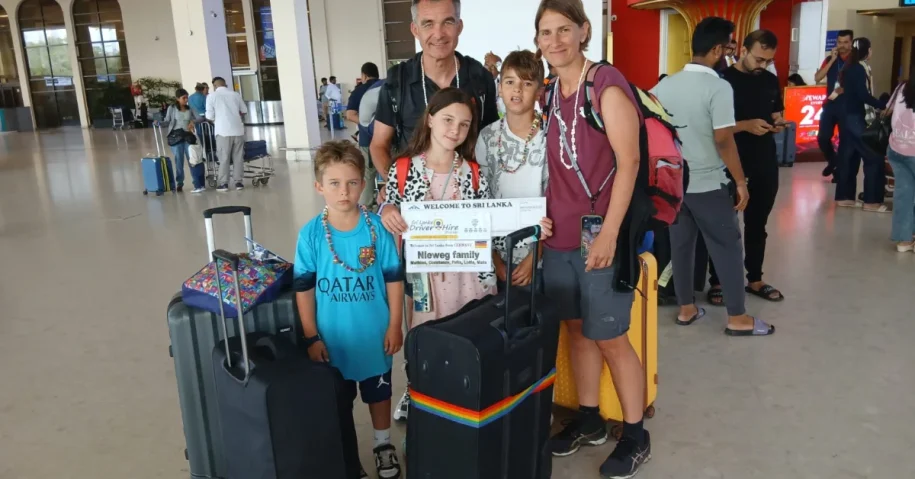
The single biggest stress-reducer for families is hiring a private car with a driver-guide rather than self-driving or stringing together buses and trains with luggage and tired children. A driver who knows the roads handles the slow, unpredictable traffic, finds clean rest stops, and adjusts the plan when a child needs an early night or an extra hour at the beach.
With Srilankadriverhire, a family travels in one air-conditioned vehicle for the whole trip, so there is no repacking between transport modes and no hunting for taxis in an unfamiliar town. A good driver-guide can request child seats, suggest family-friendly restaurants, carry the bags, and translate at markets and temples. That flexibility matters most on safari mornings and long transfer days, when a fixed public timetable would clash with a toddler's nap or a teenager's lie-in. If you are new to the idea, our explainer on how Sri Lanka driver hire works walks through what to expect day to day.
The practical upshot is that parents spend their energy on the children and the experience rather than on navigation, parking and timetables. Decide on the two or three regions you most want to share with your kids, then let a trusted driver stitch them together into short, manageable days. Book a driver-guide for your dates and send your rough wish list, and you will have a workable family route to refine well before you land.
Frequently asked questions
Is Sri Lanka a good destination for traveling with children?
Yes. Short distances between beaches, wildlife parks and cultural sites mean families can experience variety without exhausting travel days, and locals are famously welcoming to children.
What is the best way to get around Sri Lanka with kids?
A private car with a driver-guide is the most practical option for families. It avoids crowded public transport, allows flexible stops, and lets parents focus on the children rather than navigation.
How long are typical drives in Sri Lanka?
Roads are slow and winding, so even 100 kilometers can take three to four hours. Plan short daily legs and break journeys with meal, bathroom and sightseeing stops.
Are there health risks for children in Sri Lanka?
The main concerns are mosquito-borne illness such as dengue, sun and heat, and stomach upsets. Use repellent, bottled water and freshly cooked food, and check current advice with a travel clinic before you go.
What should families pack for Sri Lanka?
Lightweight clothing, high-SPF sunscreen, insect repellent, a basic first-aid kit, any regular medicines, swimwear and modest layers for temple visits with shoulders and knees covered.